Behind the Lens
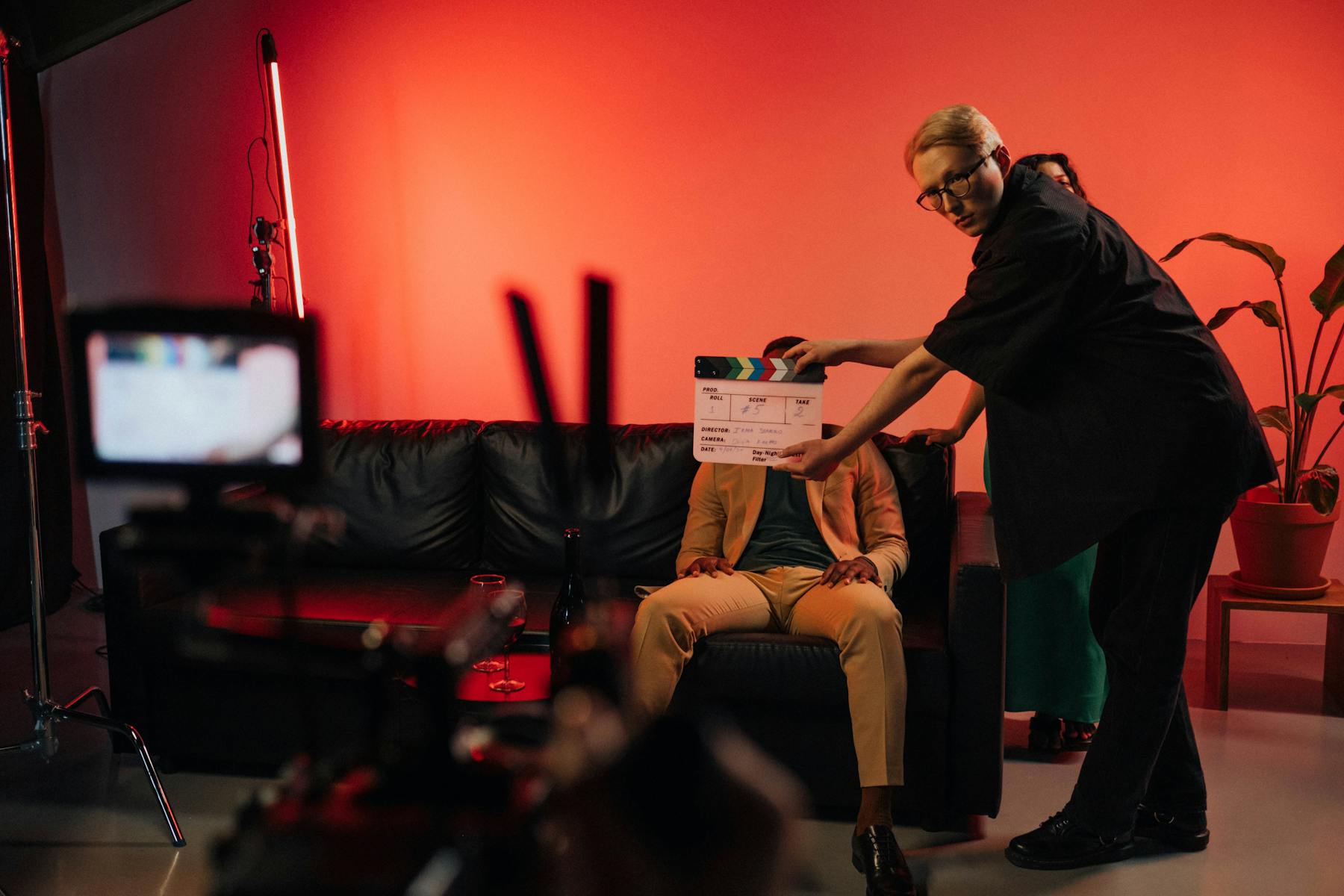
What a Shoot Day Actually Looks Like
September 22, 20266 min read32 Productions · Douglas, GA
Clients are frequently surprised by how a shoot day runs — how long setup takes, how much of the day is not filming, and how little usable material an hour produces.
Here is the honest version.
Setup is most of it
Lighting a single interview setup properly takes real time. So does treating a room for sound, running cable, setting camera positions and testing.
A rough proportion on many shoots is more time setting up and moving than actually rolling. That is normal, and it is what separates footage that looks considered from footage that looks grabbed.
Light is the whole craft
Most of what makes an image look professional is light — where it comes from, how soft it is, what it does to the subject and the background.
Available light is sometimes perfect and frequently is not. A room with overhead fluorescents and a window on one side produces mixed color and unflattering shadows, and fixing that is why the lighting cases come out of the truck.
Audio takes more attention than picture
Viewers forgive imperfect picture and do not forgive bad audio. Room echo, air conditioning, refrigerator hum, traffic, somebody's phone — all of it ends up in the recording and none of it removes cleanly.
Which is why part of a shoot day is asking to turn off HVAC, closing doors, and waiting out a passing truck. It looks like inefficiency and it is the difference between usable and unusable.
Multiple takes are normal
The first take of anything is a rehearsal. People need to warm up, technical issues surface, and the version that works is usually not the first one.
Planning for that rather than expecting one-take perfection produces a better result and a calmer day.
The most valuable thing a client can do on a shoot day is give the crew room to work and be available for decisions. The second most valuable is having prepared the space beforehand.
The stuff nobody thinks about
- Batteries and cards, which get swapped constantly and have to be managed
- Backing up footage before anything is deleted, which happens on the day
- Continuity — matching what people wore and how things were arranged between setups
- Weather and light changing through the day, which affects sequencing
- Permissions and access at each location
- Feeding people on a long day, which is not a joke on a full shoot
Why we plan the order
Shot order follows light and logistics rather than the order things appear in the finished piece. Exteriors get shot when the light is right, not when they come in the edit.
That can feel disjointed on the day and it is what makes the finished piece look consistent.
Then post begins
At the end of a shoot day, the raw material exists and the piece does not. Editing, color, sound and graphics are where it becomes what you hired somebody for.
32 Productions handles production and post across South Georgia. Call (912) 592-3376 to talk about a project.
Ready to shoot?
Let’s make it happen
32 Productions covers photography, videography, weddings, events and business content across Douglas, Coffee County and South Georgia. Tell us what you have in mind.